In the bustling world of entrepreneurship, safeguarding your small business isn’t just a smart move—it’s essential. Imagine your business as a delicate ecosystem, teeming with potential but vulnerable to unexpected hazards. Enter the realm of small business insurance: your shield against the unpredictable. By understanding and investing in the right insurance policies, you lay the foundation for enduring success and resilience.
Whether you’re a budding startup or a seasoned family-run establishment, navigating the intricacies of insurance can feel daunting. But fear not! We’re here to guide you through the maze of policies and premiums with creativity and clarity. Discover how the right coverage not only protects your assets but also empowers your business to thrive in any circumstance.
Understanding Small Business Insurance
Small business insurance is a protective shield for entrepreneurs, safeguarding their ventures against unexpected financial setbacks. It’s an essential aspect of business risk management, ensuring sustainability and peace of mind.
This insurance not only covers potential losses but also helps businesses comply with legal requirements and build trust with clients and partners. It’s crucial to understand the types of insurance available and how they can be tailored to meet specific business needs to mitigate unforeseen challenges.
Key Types of Insurance for Small Businesses
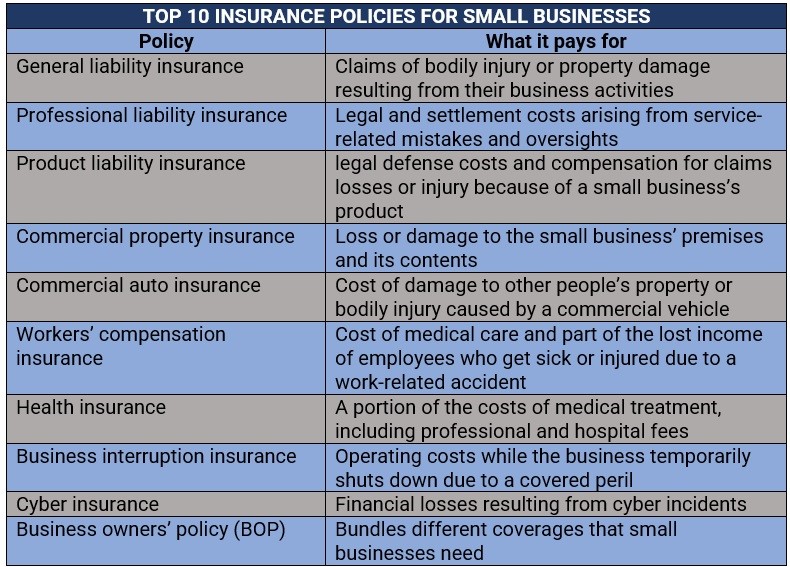
Small businesses can leverage a variety of insurance policies designed to address diverse risks. Each type of insurance provides different coverage and benefits, which are crucial in protecting assets and ensuring long-term growth. Here’s what you need to know:
| Insurance Type | Coverage | Benefits | Risks without Coverage |
|---|---|---|---|
| General Liability Insurance | Protects against legal claims for bodily injury, property damage, and advertising injury. | Mitigates financial loss from lawsuits, covers medical expenses, and enhances business credibility. | Financial burdens from lawsuits, damaged reputation, potential bankruptcy. |
| Property Insurance | Covers damage to business property caused by fire, theft, or natural disasters. | Secures physical assets, enables quick recovery, minimizes downtime. | Costly repairs or replacements, operational halt, severe financial strain. |
| Workers’ Compensation Insurance | Provides benefits to employees who are injured or fall ill on the job. | Ensures employee well-being, reduces legal liabilities, fosters a safe work environment. | Legal penalties, disrupted workforce, increased operational costs. |
| Professional Liability Insurance | Covers negligence, errors, or omissions in professional services. | Protects business reputation, covers defense costs, and damages. | Potential lawsuits, financial instability, loss of client trust. |
“Insurance is the silent hero that transforms uncertainty into opportunity.”
Potential Risks without Insurance
Operating without insurance exposes small businesses to significant vulnerabilities, which can be detrimental to their survival. Uninsured events can lead to overwhelming financial implications that could otherwise be avoided. Consider the following risks:
- Legal troubles from third-party claims resulting in expensive lawsuits.
- Natural disasters or accidents causing physical damage, leading to business interruptions.
- Employee injuries resulting in costly medical expenses and compensation claims.
- Professional errors that could damage client relationships and incur substantial reparations.
By having the right insurance in place, businesses can navigate these challenges effectively, securing their path to success.
Types of Small Business Insurance
When it comes to protecting your small business, understanding the different types of insurance available is crucial. Each policy serves a unique purpose, safeguarding various aspects of your business operations.
Let’s delve into specific insurance types that can provide a safety net for your enterprise, ensuring peace of mind and continuity in the face of unexpected challenges.
General Liability vs. Professional Liability Insurance
Business owners often face confusion when choosing between general liability insurance and professional liability insurance. While both serve as protective shields, they cater to different risks:
| General Liability Insurance | Professional Liability Insurance |
|---|---|
| Covers bodily injury, property damage, and legal defense. | Protects against claims of negligence, errors, or omissions in professional services. |
| Ideal for businesses with physical premises. | Essential for service-oriented professionals such as consultants or accountants. |
| Generally lower premiums. | Higher premiums but critical for safeguarding reputation. |
Choosing the right insurance depends on your business model and the specific risks you face. Assessing these two types will ensure you have tailored protection.
Benefits of Property Insurance for Small Businesses
Imagine opening your store one morning to find it damaged by fire or vandalism. Property insurance acts as your financial cushion in such events, offering several benefits:
This insurance not only covers physical damage to your property but also includes inventory, equipment, and even furniture. It helps you rebuild and restart without draining your financial resources.
“Property insurance is like a safety net, catching you when the unexpected threatens to topple your business.”
Significance of Business Interruption Insurance
In the fast-paced world of business, interruptions can occur without warning, bringing operations to a halt. Business interruption insurance is designed to protect against such disruptions.
This type of insurance compensates for lost income during periods when your business cannot operate due to covered events, such as natural disasters or fire. It ensures you can continue to pay bills, employees, and maintain financial stability during recovery. Business interruption insurance is essential for maintaining continuity and stability in tumultuous times.
Situations Covered by Workers’ Compensation Insurance
Workers’ compensation insurance is a mandatory policy for many businesses, covering various scenarios that may arise in a workplace.
- Injuries sustained while performing job duties.
- Work-related illnesses and diseases.
- Rehabilitation costs and medical expenses.
- Partial wage replacement during recovery.
- Legal fees in case of lawsuits from injured employees.
Ensuring your workforce is protected not only abides by legal requirements but also fosters a safe and supportive work environment.
Choosing the Right Insurance for Your Business
Securing the right insurance for your small business is like choosing the perfect lock for your door—crucial and tailored to your unique needs. This decision ensures that your business is shielded from unforeseen setbacks that could otherwise derail your progress.
Understanding how to navigate the myriad of options available is essential. With the right strategies, you can safeguard your business effectively while maintaining peace of mind.
Identifying Key Factors in Insurance Selection
When selecting an insurance policy, several critical factors must be considered. These factors not only influence the protection level your business receives but also the cost and suitability of the insurance. Here’s what you need to look for:
- Business Type: Different businesses face unique risks. Tailor your insurance to reflect your specific industry threats.
- Budget: Determine how much you can allocate to insurance without compromising other business areas.
- Risk Assessment: Evaluate potential risks your business might face, using historical data and industry trends.
- Legal Requirements: Ensure compliance with local regulations and industry standards for insurance coverage.
Evaluating Insurance Providers and Offerings
Choosing the right insurance provider is as important as the policy itself. Look for providers with a strong reputation and proven reliability. Here’s how you can assess them effectively:
- Research customer reviews and ratings to gauge satisfaction levels.
- Examine the range of products and services they offer to ensure they can meet your evolving needs.
- Assess their claim process efficiency—
“The true test of an insurance provider is how they handle your claims.”
- Consider the financial stability of the provider to ensure they can cover claims when needed.
Customizing an Insurance Package for Specific Needs
Creating a bespoke insurance package involves understanding your business’s unique requirements and then negotiating terms that cater specifically to these needs. Follow these steps:
- Conduct a thorough risk analysis to identify specific areas needing coverage.
- Discuss with insurance advisors to tailor policies that address your business’s distinctive vulnerabilities.
- Review policy terms carefully, ensuring they provide comprehensive protection without redundant coverage.
- Regularly reassess and adjust the insurance package as your business evolves.
| Factor | Description | Importance Level | Example |
|---|---|---|---|
| Business Type | Reflects industry-specific risks. | High | A tech startup vs. a construction company. |
| Budget | Allocation for insurance spending. | Medium | Startups may have limited funds. |
| Risk Assessment | Evaluation of potential threats. | High | Flood risk in certain areas. |
| Legal Requirements | Compliance with laws and standards. | High | Workers’ compensation requirements. |
Cost Considerations and Budgeting
Navigating the world of small business insurance can be daunting, but understanding cost considerations and effective budgeting can make it manageable. Knowing how to calculate insurance costs and manage premiums is essential for maintaining financial health.
Let’s dive into strategies that will help you manage your insurance expenses while ensuring your business remains well-protected.
Methods for Calculating Insurance Costs
Determining the cost of insurance requires a careful assessment of your business’s needs and risks. Calculating these costs involves several factors:
- Assess Risk Levels: Evaluate the specific risks associated with your business activities and industry.
- Coverage Requirements: Determine the types and amounts of coverage necessary to adequately protect your business.
- Business Size and Revenue: Larger businesses or those with higher revenues may experience increased premiums.
Reducing Insurance Premiums
While it’s crucial to maintain adequate coverage, there are ways to reduce your premiums without compromising protection:
- Bundle Policies: Consider bundling multiple types of insurance with the same provider to receive discounts.
- Increase Deductibles: Opt for higher deductibles to lower your premium costs, but ensure your business can afford the out-of-pocket expenses if needed.
- Implement Safety Measures: Reduce risk by implementing safety protocols, which could lead to lower premiums.
Impact of Deductibles on Insurance Costs
Deductibles play a crucial role in determining your insurance premiums and overall costs. Choosing the right deductible can offer significant savings:
Higher deductibles typically result in lower premiums, but they increase your financial responsibility in case of a claim.
Evaluate your business’s cash flow to decide the deductible level that balances risk and affordability.
Effective Budgeting for Business Insurance
Proper budgeting ensures that your business can sustain the cost of insurance over time. Here’s a bullet point plan to help you budget effectively:
- Identify all necessary insurance policies and their respective costs.
- Create a monthly or annual budget allocation for insurance expenses.
- Regularly review insurance needs and adjust the budget as your business evolves.
- Set aside a reserve fund to cover deductibles or unexpected premium increases.
Legal and Regulatory Requirements
Navigating the maze of legal and regulatory obligations can be daunting for small business owners, but understanding these requirements is crucial for safeguarding your enterprise.
Compliance with insurance laws is not merely an option—it’s a necessity that protects your business from potential legal ramifications and financial liabilities. Let’s delve into the specifics of what’s required and why it matters.
Understanding Mandatory Insurance Obligations
Every small business operates under a unique set of legal mandates that dictate the type and scope of insurance they must carry. These obligations are designed to ensure a baseline of protection for businesses and their stakeholders. For instance, workers’ compensation insurance is universally required if you have employees, safeguarding both employee welfare and your company’s legal standing.
Industry-Specific Insurance Regulations
Insurance requirements can vary significantly across different industries, reflecting the unique risks and operational dynamics they face. For example, a construction business might be required to hold liability insurance due to the inherent risks of physical injury and property damage associated with their work.
| Industry | Required Insurance | Legal Entity | Regulatory Body |
|---|---|---|---|
| Construction | General Liability, Workers’ Compensation | Contractors, Subcontractors | Occupational Safety and Health Administration (OSHA) |
| Healthcare | Professional Liability (Malpractice) | Doctors, Clinics | Department of Health and Human Services (HHS) |
| Retail | Product Liability, Property Insurance | Retailers, Shop Owners | Consumer Product Safety Commission (CPSC) |
| Food Services | Public Liability, Workers’ Compensation | Restaurants, Cafes | Food and Drug Administration (FDA) |
Consequences of Non-Compliance
Failing to adhere to the mandated insurance requirements can have severe repercussions for your business. Non-compliance might lead to hefty fines, legal suits, or even a shutdown of operations. For instance, operating without necessary workers’ compensation insurance could result in penalties that escalate daily, compounding your financial burden swiftly. Moreover, non-compliance can significantly tarnish your business reputation, making it difficult to attract new clients or partnerships.
“Ignoring insurance laws is not just risky—it’s a path to potential business annihilation.”
Claims Process and Management
When the unexpected strikes, knowing how to navigate the insurance claims process can mean the difference between minor disruption and major upheaval for your small business. Mastering this process not only safeguards your assets but also ensures peace of mind. Let’s dive into the essential steps and strategies for efficient claims management.
Filing an insurance claim may seem daunting, especially when juggling the demands of running a business. However, understanding each step can simplify the process and help you get back on track swiftly.
Steps to File an Insurance Claim
Filing a claim involves several key steps. First, notify your insurer as soon as an incident occurs. Delaying could jeopardize your claim. Next, gather all necessary documentation, including photos, receipts, and incident reports. Finally, submit the claim form, complete with all the required details, to your insurance provider.
Efficient Claims Management
Efficiently managing claims is crucial to minimizing business disruptions. Assign a point person within your organization to handle communications with the insurance company. This streamlines the process and ensures timely responses. Additionally, maintaining a digital archive of all communication and documentation can save valuable time and prevent any potential mishaps.
Maintaining Accurate Documentation
Accurate documentation is the backbone of a successful claim. Ensure all records are up-to-date and comprehensive. This includes keeping track of inventory lists, valuation reports, and detailed descriptions of any damages. Regularly updating these documents can facilitate a smoother claims experience.
“Effective communication with your insurance adjuster can expedite the claims process. Be clear, concise, and prepared with all necessary information.”
Final Summary
In the dynamic landscape of small business, preparation is key. By embracing the right insurance strategies, you’re not just protecting your present—you’re securing your future. Think of insurance as your business’s secret weapon, a silent partner that stands ready to support you in times of need. So, take that bold step, evaluate your needs, and choose wisely. With the right coverage, your business can weather any storm and emerge stronger than ever.