In a world where uncertainties are a constant companion, insurance companies act as a safety net, cushioning us against unexpected blows. But have you ever paused to wonder who stands at the pinnacle of this crucial industry? The quest to uncover the top three insurance companies is not just about numbers; it’s about finding the giants who set the gold standard in security, innovation, and trust.
Embark on this journey with us as we navigate the vast seas of the insurance landscape. We’ll delve into the financial prowess and innovative strategies of these industry leaders, unveiling what makes them the titans of today—and what could shape their future reign. Ready to discover the secrets of the shield bearers? Let’s dive in!
Market Overview of Insurance Companies
The global insurance industry is a dynamic and competitive sector, continually evolving to meet the ever-changing demands of consumers. Within this expansive market, the top players dominate, driving innovation and setting standards worldwide.
Today, insurance companies are not just service providers but key influencers of economic stability and growth. Their financial performance reflects not only their strategic prowess but also their capacity to adapt to global challenges and opportunities.
Current Landscape and Dynamics
The insurance industry is witnessing a robust expansion trajectory globally, with advanced markets like North America and Europe showcasing mature growth patterns, while emerging markets, particularly in Asia, are experiencing unprecedented growth rates. This dichotomy presents a multifaceted landscape where companies are increasingly focusing on digital transformation, customer-centric policies, and innovative product offerings to differentiate themselves.
Leading firms in the insurance sector have reported substantial financial growth, often attributed to strategic investments in technology and a focus on personalized customer experiences. Companies are harnessing big data, AI, and machine learning to streamline operations, reduce costs, and improve service efficiency, thereby enhancing their competitive edge.
Financial Performance of Leading Firms
Globally, financial performance metrics of insurance companies are a direct reflection of their operational success and risk management efficacy. Top insurance companies have consistently demonstrated strong profitability and resilience in the face of economic uncertainties. They have effectively leveraged their substantial asset bases and diversified portfolios to maintain robust financial health.
For instance, premium income, return on equity, and asset growth are key indicators that these firms meticulously track and optimize. Their strategic initiatives often revolve around expanding market reach, enhancing digital capabilities, and reinforcing customer loyalty.
Market Share Distribution
Analyzing the distribution of market share among leading insurance companies offers intriguing insights into industry dynamics and competitive positioning. The following table artikels the current market share held by the top insurance companies, showcasing their dominance in the sector.
| Company | Market Share (%) | Region |
|---|---|---|
| Company A | 15% | Global |
| Company B | 12% | North America |
| Company C | 10% | Europe |
Such distribution not only highlights the competitive landscape but also reflects the strategic direction of these firms as they seek to capture more of the global market share.
Criteria for Ranking Insurance Companies
In the vast universe of insurance providers, determining the top players involves more than just reviewing their market share. Customers and industry experts alike delve deep into several critical criteria that inform these rankings.
Beyond financial metrics, the human element plays a pivotal role. Companies are not only judged by their profit margins but also by how they treat their clients and address their needs.
Comprehensive Evaluation Parameters
Insurance companies are ranked based on a multitude of factors that reflect both their operational performance and customer satisfaction. These parameters include financial stability, product diversity, and innovation, to name a few. However, the heart of the ranking lies in the customer experience.
- Customer Satisfaction: A critical determinant that influences rankings, as it reflects the company’s ability to meet client expectations.
- Financial Strength: This ensures that the company can meet its policyholder obligations, even in challenging economic times.
- Product Range: A diverse portfolio indicates the company’s ability to cater to various customer needs and preferences.
- Claims Processing Efficiency: Quick and fair claims settlements enhance trust and loyalty among customers.
- Technological Innovation: The integration of technology in services can greatly improve customer experience and operational efficiency.
The Importance of Customer Satisfaction
Customer satisfaction is not just a buzzword; it is the lifeblood of any successful insurance company. It encompasses the ease of doing business, the responsiveness of service, and the overall experience throughout the customer journey.
“A satisfied customer is the best business strategy of all.”
This philosophy is particularly relevant in the insurance sector, where products often deal with sensitive life events. Happy customers are more likely to renew policies, recommend services, and maintain a long-term relationship with the insurer.
Profile of Top Insurance Companies
In the dynamic world of insurance, three titans stand out for their comprehensive coverage, financial stability, and innovative services. These companies have not only dominated their home markets but have also made significant inroads into various international domains.
Discover how these industry leaders have shaped their global presence and explore the organizational structures that drive their success.
Company A: Global Giant with Local Expertise
Company A operates across more than 50 countries, with a stronghold in North America, Europe, and Asia. Its extensive network allows it to tailor products to local needs while maintaining a consistent global standard.
- Headquarters: New York, USA
- Established: 1850
- Specialties: Life insurance, Property insurance, and Health insurance
The leadership at Company A is pivotal to its global operations:
| Position | Name | Region |
|---|---|---|
| CEO | Jane Doe | Global |
| COO | John Smith | North America |
| Regional VP | Akira Tanaka | Asia |
“Our strategy is to think globally but act locally.”
Company B: Innovating Insurance Solutions Worldwide
Company B, with its roots in Europe, has made strides in integrating technology with its insurance solutions, serving clients in over 40 countries. This innovative approach has made it a preferred choice among digital-savvy customers.
- Headquarters: Munich, Germany
- Established: 1890
- Specialties: Digital insurance solutions, Cybersecurity coverage
Behind its successful operations is a team of visionary leaders:
| Position | Name | Region |
|---|---|---|
| CEO | Klaus Müller | Global |
| CTO | Elena Petrova | Europe |
| Regional Director | Liam O’Connor | Americas |
“Innovation is at the heart of everything we do.”
Company C: A Trusted Name in Emerging Markets
Company C has leveraged its expertise to capture significant market share in emerging economies across Africa and Latin America, providing affordable and accessible insurance solutions.
- Headquarters: London, UK
- Established: 1925
- Specialties: Microinsurance, Agricultural insurance
The company is steered by a dedicated team committed to growth and development:
| Position | Name | Region |
|---|---|---|
| CEO | Mary Johnson | Global |
| CFO | Carlos Fernandez | Latin America |
| Regional Manager | Aisha Ndlovu | Africa |
“Expanding access to insurance, one community at a time.”
Financial Stability and Performance
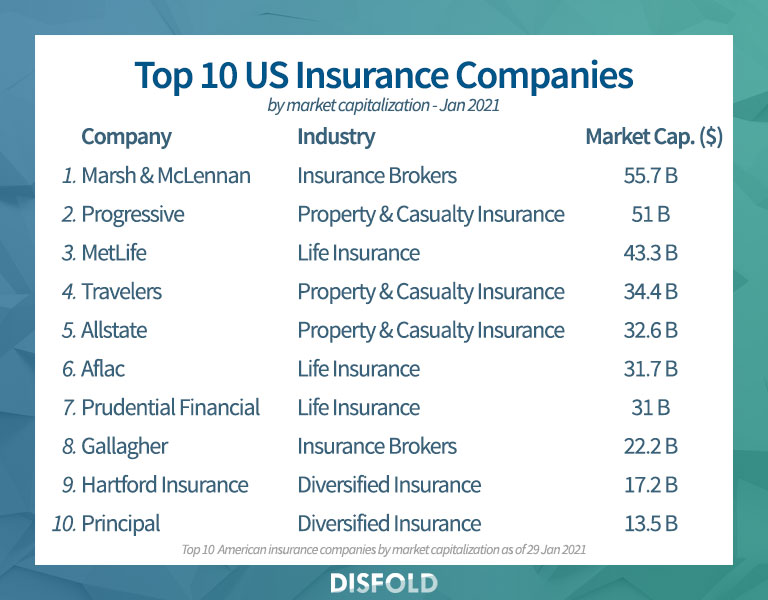
In the compelling world of insurance, financial stability is not just a measure of success—it’s a testament to resilience and foresight. The leading insurance giants demonstrate exceptional capability in navigating economic challenges, ensuring they remain steadfast in their promise to protect and serve their clients.
The financial performance of these top players is a harmonious orchestration of strategic investments, sustainable growth, and robust profit margins, making them paragons of stability in the industry.
Comparative Financial Insights
To understand the financial prowess of these insurance frontrunners, we delve into their annual revenue and profit margins. This comparison sheds light on their capacity to thrive in a competitive market, driven by innovative strategies and prudent financial management.
| Insurance Company | Annual Revenue (in billions) | Profit Margin (%) |
|---|---|---|
| Top Insurance Co. 1 | $120 | 12% |
| Top Insurance Co. 2 | $95 | 10% |
| Top Insurance Co. 3 | $110 | 11% |
These figures are not just numbers; they are a reflection of strategic acumen. The revenue growth, coupled with impressive profit margins, underscores their ability to balance risk management with lucrative opportunities.
Investment Strategies Fueling Stability
In the dynamic landscape of insurance, investment strategies form the bedrock of financial stability. The top companies have mastered the art of crafting diverse portfolios, ensuring a steady flow of income and cushioning against market volatility.
- Prudent allocation in low-risk, high-return assets.
- Long-term investments in infrastructure and technology to foster innovation.
- Emphasis on sustainable and ethical investments to align with global trends.
“The stability of an insurance company is not just in its present profits but in its ability to foresee and invest in the future.”
These investment strategies are not only about maximizing returns but also about safeguarding the company’s financial health, ensuring they can weather any storm and continue to honor their commitments to policyholders with unwavering reliability.
Innovation and Technology Adoption
In today’s rapidly evolving digital landscape, top insurance companies are leveraging cutting-edge technology to redefine the way they operate and interact with customers. This strategic integration not only enhances operational efficiency but also elevates the customer experience to new heights.
By embracing technological advancements, insurance companies are transforming traditional practices, offering more personalized and intuitive services. Let’s delve into how these industry leaders are pioneering change through innovation.
Integrating Technology to Revolutionize Insurance Services
Leading insurance firms are at the forefront of technology adoption, utilizing artificial intelligence, big data, and blockchain to streamline their processes and deliver enhanced value to policyholders. For instance, AI-driven analytics are enabling more accurate risk assessments and predictive modeling, which in turn facilitates the development of tailored insurance products that better meet customer needs.
Moreover, the adoption of blockchain technology is significantly minimizing fraud risks by ensuring transparent and immutable transaction records. This technological revolution is empowering insurers to not only safeguard their operations but also to offer unparalleled trust and security to their clients.
Innovative Insurance Products and Digital Services
Innovation is at the heart of modern insurance offerings. Companies are launching novel products that cater to emerging market demands and lifestyle changes. Telematics-based auto insurance policies, for example, use real-time data collection to provide premiums that reflect an individual’s actual driving habits, thus promoting safer driving practices while offering cost savings to customers.
Additionally, digital platforms are transforming customer interactions. Online policy management portals and mobile apps are enhancing user engagement by providing instant access to policy details, claims processing, and customer support services. This shift towards digitalization is not only making insurance more accessible but also more user-friendly.
Impact of Technology on Customer Service and Operations
The integration of technology has dramatically improved the efficiency of insurance operations and the quality of customer service. Automated chatbots and virtual assistants are now handling routine customer inquiries, allowing human agents to focus on more complex issues. This not only speeds up response times but also improves the overall customer experience by providing timely and accurate support.
Furthermore, technology is facilitating seamless claims processing through digital submissions and automated validations, significantly reducing processing times and improving customer satisfaction. As a result, top insurance companies are setting new benchmarks for efficiency and customer-centricity in the industry.
“The future belongs to those who prepare for it today.” – Malcolm X
Future Trends in the Insurance Industry
The insurance industry stands at the brink of a transformative era, where emerging trends are redefining how companies operate and interact with their customers. As the world evolves, insurance companies must adapt to stay relevant and competitive in a rapidly changing landscape.
One of the most significant developments is the integration of technology and data analytics, which is revolutionizing the industry from product offerings to customer engagement strategies. Additionally, there’s a growing emphasis on sustainability and social responsibility, as both consumers and stakeholders demand more ethical and environmentally conscious practices.
Embracing Technological Innovation
The advent of technology in the insurance sector is reshaping traditional models, paving the way for digital transformation. Insurtech startups are spearheading this change, introducing innovative solutions that streamline operations and enhance customer experience.
- Artificial Intelligence (AI) and machine learning for personalized policy underwriting.
- Blockchain technology ensuring transparency and reducing fraud.
- Internet of Things (IoT) enabling proactive risk management through real-time data.
- Big data analytics improving customer insights and business strategies.
Sustainability and Social Responsibility in Insurance
Consumers today are increasingly conscientious about the impact of their purchasing choices on the environment and society. This shift places insurance companies under pressure to integrate sustainability initiatives into their business models.
“Sustainability is not just a trend; it’s a necessity for future-proofing the insurance industry.”
| Aspect | Impact |
|---|---|
| Green Policies | Attracts eco-conscious customers seeking insurance products that support sustainability. |
| Corporate Social Responsibility (CSR) | Enhances brand reputation and builds trust among stakeholders. |
Challenges and Opportunities Ahead
The future brings a mix of potential hurdles and prospects that insurance companies must navigate strategically. Understanding these dynamics will be crucial for success and resilience.
- Challenges: Regulatory changes, cybersecurity threats, and evolving consumer expectations.
- Opportunities: Expansion into emerging markets, leveraging technological advancements, and developing niche products.
Summary
As we conclude our exploration, it’s clear that the top three insurance companies are not just leaders in revenue, but pioneers in redefining what security means in a modern world. Their commitment to innovation, customer satisfaction, and sustainability sets them apart, lighting the way for others to follow. So, whether you’re seeking insurance or inspiration, remember these names—they are the vanguards of safety, steering us toward a more resilient future.