Picture this: You’re cruising through the scenic streets of Massachusetts, the autumn leaves dancing around you. But wait, have you thought about what lies beneath this picturesque drive? Auto insurance is your unsung hero, ensuring every journey is as safe as beautiful. But how exactly does auto insurance in Massachusetts work, and how much should you expect to pay? Buckle up as we unravel these mysteries.
Massachusetts isn’t just known for its clam chowder and historic sites; it’s also a state with unique auto insurance requirements. Whether you’re a seasoned driver or a fresh face on the road, understanding these requirements can turn your insurance shopping from overwhelming to empowering. Let’s steer through the essentials and help you find the perfect policy that suits your needs and budget.
Overview of Auto Insurance in Massachusetts
Driving in Massachusetts requires more than just a valid driver’s license and a set of keys; it mandates a robust understanding of auto insurance. It’s the shield that protects you, your car, and others on the road in case of mishaps.
Massachusetts, like many states, has specific requirements that drivers must meet to legally navigate its roads. These requirements are designed to ensure that all drivers can cover the costs associated with accidents, should they occur. Understanding these requirements and the available coverage types is crucial for every motorist.
Basic Requirements for Auto Insurance in Massachusetts
Before you hit the road, it’s essential to know that Massachusetts mandates every driver to have a minimum level of auto insurance. If you’re a resident or planning to drive through the state, compliance isn’t optional—it’s the law. This means that all vehicles must be insured with at least the state’s minimum liability coverage. The aim is to protect all parties involved in an accident.
Massachusetts operates under a “no-fault” insurance system. This means that your own insurance company will cover your medical expenses and lost wages up to a certain limit, regardless of who caused the accident. This system is designed to streamline the compensation process and reduce the need for litigation, making it crucial for drivers to understand their policy details.
Types of Auto Insurance Coverage in Massachusetts
While the state mandates certain minimums, drivers have the option to enhance their coverage for better protection. Here’s a breakdown of the types of coverage available:
- Liability Coverage: Covers bodily injury and property damage that you may cause to others in an accident.
- Personal Injury Protection (PIP): Helms the no-fault system by covering medical expenses and lost wages, irrespective of fault.
- Collision Coverage: Pays for damage to your own car in case of a collision, with another vehicle or object.
- Comprehensive Coverage: Protects against damages not caused by collisions, such as theft or natural disasters.
- Uninsured/Underinsured Motorist Coverage: Provides protection if you’re involved in an accident with a driver who lacks adequate insurance.
State’s Minimum Liability Coverage Requirements
In Massachusetts, the specific minimum liability coverage requirements every driver must meet are as follows:
| Coverage Type | Minimum Requirement |
|---|---|
| Bodily Injury to Others | $20,000 per person / $40,000 per accident |
| Personal Injury Protection (PIP) | $8,000 per person per accident |
| Bodily Injury Caused by an Uninsured Auto | $20,000 per person / $40,000 per accident |
| Damage to Someone Else’s Property | $5,000 per accident |
These coverages form the backbone of Massachusetts’ auto insurance requirements, offering a foundational level of protection.
However, drivers are encouraged to explore additional options to bolster their safety net on the road.
Factors Influencing Auto Insurance Rates
Navigating the world of auto insurance can feel like a maze. To find your way to the best rates in Massachusetts, it’s crucial to understand what influences those numbers on your bill.
Various elements combine to determine your auto insurance premiums, making it essential to break down each factor and see how it applies to your situation.
Impact of Driving Records on Insurance Rates
Your driving record is like a report card, and it can significantly sway your insurance premiums. A spotless record often leads to lower rates, while accidents or traffic violations can drive them up.
| Driving Record | Potential Impact on Rates |
|---|---|
| Clean Record | Lower premiums due to reduced risk |
| Minor Violations | Moderate increase, depending on severity |
| Major Violations (e.g., DUI) | Significant increase, often hundreds of dollars more |
Remember,
consistency in safe driving pays off in more ways than just avoiding traffic tickets.
Influence of Vehicle Type and Usage on Costs
The type of vehicle you drive and how frequently you use it can also shift your insurance costs. Insurance companies assess the make and model of your car because some vehicles are simply more expensive to insure than others.
Furthermore, if your car sees a lot of action on the road, your rates could climb. The logic is simple: more time on the road means a greater likelihood of an incident occurring.
- Luxury Cars: Higher premiums due to expensive repair costs.
- Family Sedans: Typically lower rates as they are perceived as safer choices.
- High Mileage: Increased rates because of higher accident probabilities.
By choosing the right vehicle and being mindful of your driving habits, you can better control your insurance expenses.
Cost Comparison
While understanding the factors influencing auto insurance rates is crucial, comparing the actual costs can offer a clearer picture of how much you’ll spend. Here, we break down costs by provider, coverage type, and various demographic factors.
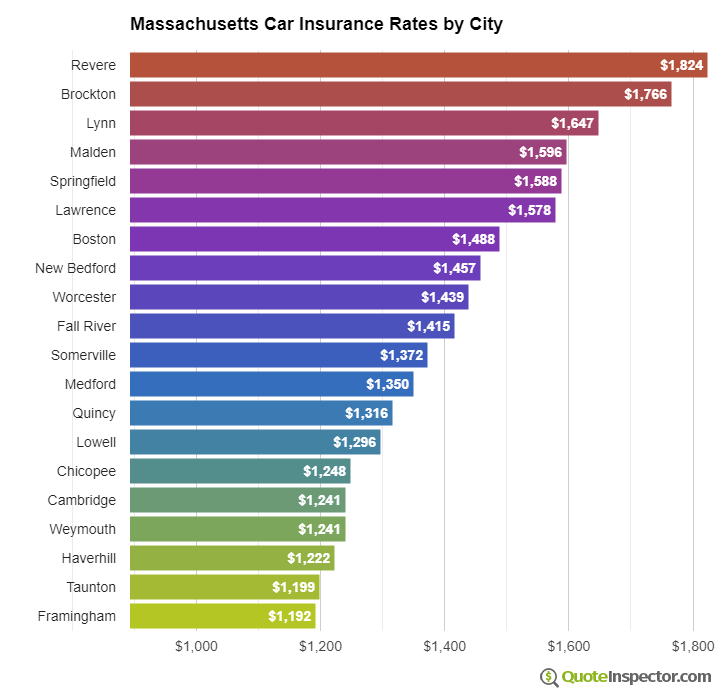
Auto insurance costs in Massachusetts can vary significantly depending on several factors, including your location, age, and driving experience. Let’s delve into the specifics of these cost variations to empower your decision-making process.
Auto Insurance Providers and Coverage Types
Choosing the right auto insurance provider is as important as selecting the appropriate coverage. Here’s a breakdown of average costs across different providers and coverage types in Massachusetts:
| Insurance Provider | Coverage Type | Average Cost (annual) |
|---|---|---|
| Provider A | Liability Only | $1,200 |
| Provider A | Full Coverage | $1,800 |
| Provider B | Liability Only | $1,250 |
| Provider B | Full Coverage | $1,900 |
The table highlights the variance in costs between basic liability and full coverage options. Choosing the right coverage depends on your personal needs and financial considerations.
Urban vs. Rural Rates
Living in the bustling city of Boston? Chances are, your insurance premium might be higher compared to someone residing in a rural area. This is because urban areas typically have higher rates of traffic congestion and accidents, which insurers take into account when setting rates.
“Location, location, location – it’s not just for real estate.”
For instance, a driver in Boston might pay approximately 15-20% more for the same coverage compared to a driver from a smaller town like Amherst. This is a crucial consideration when budgeting for car insurance in Massachusetts.
Age and Experience Level Impact
Your age and driving experience are significant factors that influence your auto insurance premium. Generally, younger drivers, particularly those under 25, face higher costs due to their relative inexperience on the road.
Let’s illustrate this with a comparison:
- A 20-year-old driver may face premiums around $2,500 annually for full coverage.
- In contrast, a 35-year-old driver with a clean record might pay closer to $1,500 for the same coverage.
This difference is not just a number; it reflects an insurer’s assessment of risk. With age comes experience, which often translates to safer driving practices and, consequently, lower insurance rates.
Discounts and Savings Opportunities
Unlocking the various discounts and savings opportunities available can significantly reduce your auto insurance premiums in Massachusetts. By understanding these options, you can tailor your policy to maximize savings.
Insurance providers offer a plethora of discounts designed to reward safe driving habits, policy bundling, and more. By taking advantage of these offerings, you ensure that your coverage remains comprehensive while your costs stay manageable.
Common Auto Insurance Discounts in Massachusetts
Many insurers in Massachusetts offer discounts that are just waiting to be tapped into. These discounts are designed to reward your loyalty, safe driving abilities, and even your lifestyle choices. Here’s a deeper look at some of the most common ones:
| Discount Type | Potential Savings |
|---|---|
| Good Driver Discount | Up to 30% |
| Multi-Vehicle Discount | 10% – 25% |
| Bundling Home and Auto Insurance | 5% – 15% |
| Low Mileage Discount | 5% – 10% |
How Safe Driving Courses Can Lower Your Premiums
Taking a safe driving course not only enhances your road skills but also acts as a gateway to premium reductions. Many insurers view completing such courses as a testament to your commitment to safety, which often translates into lower risk.
Upon completion of an accredited safe driving course, you often qualify for a defensive driving discount. This can lead to significant savings on your monthly premiums. It’s a win-win scenario where investing time in learning can lead to long-term financial benefits.
Steps to Qualify for Multi-Policy Discounts
Bundling multiple insurance policies with the same provider can dramatically lower your overall premium costs. Follow these steps to ensure you qualify for these discounts and make the most of your insurance coverage:
- Contact your current insurer to inquire about multi-policy discounts.
- Review all your insurance needs, including home, renters, and life insurance.
- Consolidate your policies with one provider to start saving.
- Regularly review your policy packages for additional savings opportunities.
Legal Considerations and Regulations
Massachusetts takes auto insurance regulations seriously, ensuring that drivers are adequately protected on the road. Navigating these legal waters can seem daunting, but understanding the rules is crucial to avoid potential pitfalls.
Massachusetts’ auto insurance laws are designed to protect not only the drivers but also pedestrians and other road users. It is essential for drivers to familiarize themselves with these laws to ensure compliance and secure peace of mind while driving.
Understanding Massachusetts Insurance Laws
In Massachusetts, it is mandatory for every vehicle owner to carry a minimum amount of auto insurance. This includes coverage for bodily injury, property damage, and personal injury protection. Not adhering to these requirements can result in severe penalties, including fines and even the suspension of your driver’s license.
“Ignorance of the law excuses no one from compliance.”
This age-old maxim holds particularly true in the arena of auto insurance. Given the state’s commitment to safeguarding its roads, drivers have no choice but to stay informed and ensure their insurance policies meet the statutory minimums.
Consequences of Insufficient Coverage
Failing to maintain adequate insurance coverage in Massachusetts isn’t just a legal misstep; it’s a costly gamble. If found driving without the required insurance, you may face:
- Hefty fines that could exceed the cost of insurance premiums.
- Suspension or revocation of your driver’s license.
- Possible jail time if repeated offenses occur.
The state maintains strict enforcement policies to ensure that all drivers contribute to the safety and financial responsibility on the roads.
Filing a Claim in Massachusetts
When you’re involved in an accident, knowing the correct procedure to file a claim can streamline the process and alleviate stress. Massachusetts operates under a “no-fault” insurance law, meaning your insurance pays for your injury claims regardless of who caused the accident.
Here’s a simplified step-by-step guide to filing a claim:
- Contact your insurance provider immediately to report the accident.
- Gather necessary information such as police reports, witness statements, and any photographic evidence.
- Submit the required documents to support your claim.
- Your insurance company will assess the claim and provide compensation as per your policy terms.
Understanding these steps can significantly expedite the claims process and ensure you receive the compensation you’re entitled to under Massachusetts law.
Tips for Choosing the Right Auto Insurance
Navigating the world of auto insurance can feel overwhelming, but choosing the right policy is crucial for both your peace of mind and your wallet. With a myriad of options available, how do you ensure you’re getting the best deal without compromising on coverage?
It’s all about knowing what to look for and how to evaluate your choices. Let’s dive into some strategies that will help you select the perfect plan for your needs.
Evaluating Insurance Plans for the Best Value
Before you make a decision, it’s important to carefully evaluate your options to ensure you’re getting the best value. Consider the following:
- Start by assessing your personal needs and driving habits. Are you a frequent long-distance driver or do you primarily use your car for city commuting? This can influence the type of coverage you need.
- Look into the reputation of insurance providers. Customer reviews and ratings can provide insight into the company’s reliability and customer service.
- Understand the coverage limits and deductibles. A lower premium might seem attractive, but it could mean higher costs out-of-pocket in the event of a claim.
Methods for Comparing Quotes Effectively Using Online Tools
Thanks to the digital age, comparing insurance quotes has never been easier. Make sure to take full advantage of these resources to streamline your decision-making process:
- Use comparison websites that aggregate quotes from multiple providers. This can save you time and present a clearer picture of your options.
- Pay attention to the coverage details behind the prices. Not all quotes are created equal, and the cheapest option might lack essential protections.
- Consider setting up alerts for when there are new promotions or discounts available, ensuring you’re in the loop for potential savings.
Understanding Policy Terms and Conditions
Insurance policies can be laden with complex jargon, but understanding them is essential to avoid surprises. Here’s how to tackle this:
- Carefully read through the policy’s terms and conditions. Pay special attention to exclusions and limitations.
- Don’t hesitate to contact the insurance provider for clarifications. Many companies offer customer support lines where you can ask specific questions about your policy.
- Keep an eye out for terms related to cancellation policies and fees, which can affect you if you decide to switch providers later.
Choosing the right auto insurance is not just about finding the cheapest option, but securing the protection that perfectly fits your lifestyle and budget.
Final Thoughts
And there you have it—a comprehensive guide to navigating the highways and byways of Massachusetts auto insurance. With the right knowledge and a bit of savvy shopping, you can drive confidently, knowing you’re covered without breaking the bank. So, the next time you hit the road, let peace of mind be your co-pilot. Safe travels, and happy insuring!